Woodoku Blast
Tripledot Studios LimitedPuzzle
4.89.46K Reviews
- Version
- 1.33.00
- Installs
- 10.00M
- Age Rating
- Everyone
Screenshots
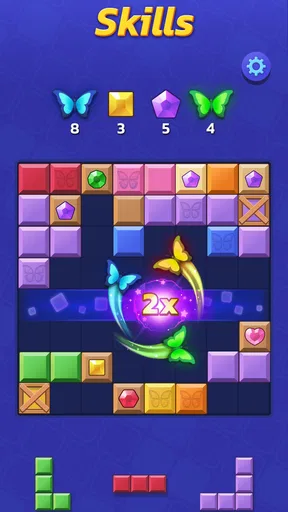
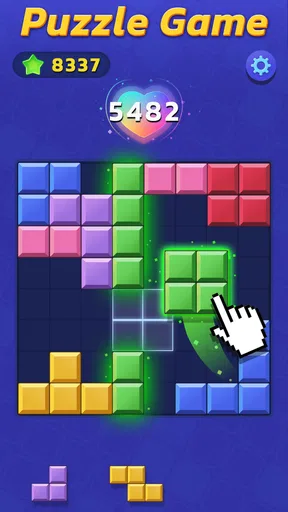
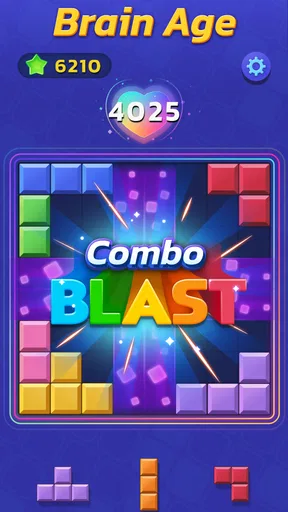
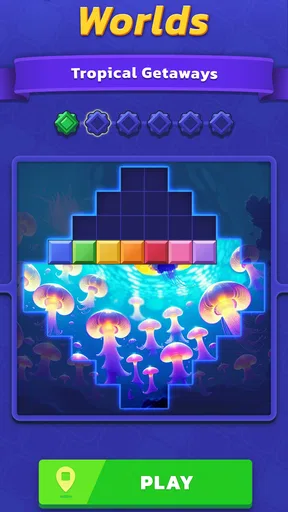
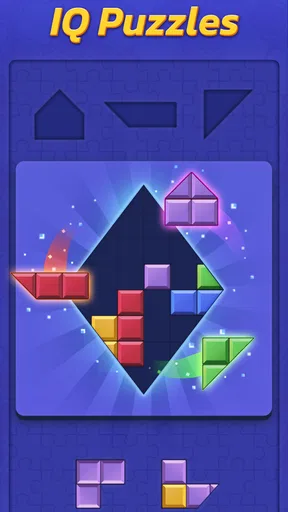
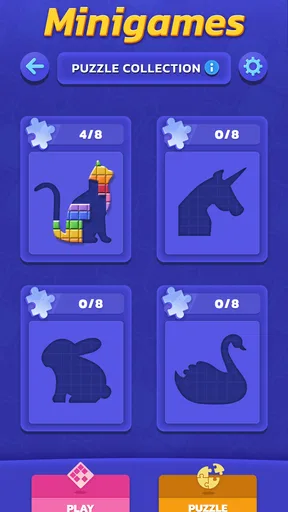
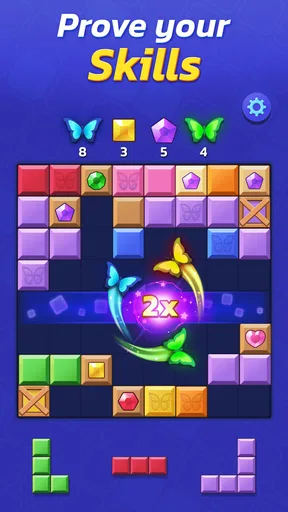
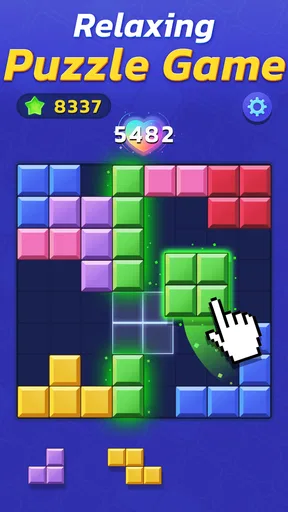
Our Review of Woodoku Blast
 Analysis by Appyee
Woodoku Blast is the kind of puzzle game I open when I want something easy to understand but still capable of stealing more time than planned. It combines familiar block placement with a wood-themed board, asking me to fit pieces into lines and spaces without letting the layout become unmanageable. The rules are approachable within seconds, yet the decisions become much less forgiving once the board starts filling up.
That balance makes it a comfortable choice for short breaks, waiting rooms, or a quiet evening when I do not want a complicated story or a demanding action game. It is a free puzzle game from Tripledot Studios Limited, rated for Everyone, and its broad appeal is reflected in an average rating of 4.8 from around 326 thousand ratings. I can see why it has reached over 10 million installs: the basic loop is immediately readable, but good results depend on planning rather than simply tapping quickly.
How I play it efficiently from the first board
I start each board by scanning all the pieces before making a move, because the awkward shapes are usually the ones that narrow my options later. In this section, I’ll focus on a simple placement routine that keeps space available and makes each decision easier to judge. That approach also gives me a useful baseline for considering how the game’s layout and controls work in everyday play.
The basic workflow is simple, but the order of decisions matters
My usual approach is to pause before placing anything. I look at the available pieces, identify the most awkward shape, and then examine the board for spaces that can accept it without damaging future options. That small habit is more useful than trying to clear a line as soon as possible. A quick clear feels rewarding, but preserving a flexible central area usually gives me more room for the next group of pieces.
The game works best when I treat every placement as part of a sequence rather than as an isolated move. A piece that fits perfectly in one corner may create a pocket that no later shape can reach. I therefore try to avoid narrow holes and uneven walls unless the move also creates a clear route for another piece. This is especially important with larger shapes, because they can become difficult to place once the board loses its open areas.
When I am playing casually, I sometimes make the obvious placement and accept the consequences. When I am trying to improve, I use a slower routine: inspect all pieces, reserve the most restrictive one, place the shape that leaves the most open space, and only then commit to a clear. It sounds deliberate, but it becomes natural quickly. The result is fewer desperate moves near the end of a run.
The most useful early-game habit is protecting options, not chasing immediate clears. I would rather leave a line almost complete while maintaining several possible placements than fill it too soon and trap a future piece. This is one of the main differences between a lucky session and a consistent one.
Why the everyday use case works so well
For a short break, I can play without studying instructions or remembering a complicated plot. If I have only a few minutes, I can make several thoughtful placements and stop when I need to return to something else. If I have longer, the same board invites more careful planning. That flexible pace is a strong reason to choose it over puzzle games that depend on timed rounds or constant attention.
It is also suitable for players who prefer quiet concentration. The challenge comes from spatial judgement and risk management, not from reflexes. Someone who enjoys arranging objects, solving compact logic problems, or making gradual improvements will probably understand the appeal quickly. On the other hand, people who need a strong narrative, competitive multiplayer, or a steady stream of new mechanics may find the repeated placement loop too narrow.
How it compares with familiar block puzzle alternatives
Compared with falling-block games, this is less about reacting to pieces that are already moving and more about choosing where each shape belongs. That makes it calmer, but it also removes some of the excitement created by speed and timing. Compared with classic wooden-grid puzzles, it feels similarly accessible while adding a more game-like sense of progression through repeated attempts and score-focused decisions.
I would choose this over a falling-block alternative when I want to think without being rushed. I would choose a traditional falling-block game when I want quick reactions, escalating pressure, and a stronger sense of momentum. The distinction matters: this is not a replacement for every puzzle style, but it is a good fit for players who enjoy planning several moves ahead.
Settings and device habits worth checking
Before settling into regular play, I check the device’s sound and notification controls rather than assuming every session should use the same setup. In a public place, I prefer a quiet arrangement so the game does not become distracting. At home, I may leave audio enabled if I want more feedback. These are small choices, but they make a casual puzzle game easier to keep in my routine.
I also pay attention to how much screen space is available and whether the device is comfortable to hold. Precise placement is central to the experience, so a cramped display or an awkward grip can make a good decision feel like a bad one. I keep the screen clean, avoid playing while moving, and use a stable position when I am attempting a longer run. Those habits are more practical than searching for a faster tapping technique.
The game supports Android devices starting with version 7.1, which makes it accessible on a wide range of compatible phones and tablets. The current release is version 1.26.00. I would still check that my device has enough free space and that the operating system is supported before installing, particularly on an older phone that struggles with newer apps.
Because the game is free to download, it is easy to try without committing money at the beginning. It does include optional in-app purchases ranging from $0.99 to $99.99 per item. I recommend deciding in advance whether I am comfortable with optional spending, especially if the phone is shared with children. The Everyone age rating makes it approachable for a broad audience, but an age rating does not replace sensible purchase controls.
Repeatable patterns that help me play faster
One pattern I use is to keep the board’s middle and lower areas as open as possible while using the edges for shapes that are difficult to reposition later. This is not a rigid rule, because the best placement depends on the pieces in front of me, but it gives me a useful starting point. Open space in several directions is more valuable than a single attractive gap.
Another habit is to avoid building tall, isolated columns. They can look harmless when the rest of the board is open, yet they often divide the remaining space into awkward sections. I try to create broad, connected regions instead. If a placement produces a high edge, I immediately consider which future shape could reduce it rather than assuming a clear will appear naturally.
I also separate “safe” moves from “hopeful” moves. A safe move leaves several usable spaces for the remaining pieces. A hopeful move depends on receiving a particular shape soon. When the board is comfortable, I can take a calculated risk. When it is crowded, I prefer the move that preserves flexibility even if it does not complete a line.
A useful mental shortcut is to inspect the corners of each available shape before looking for a destination. Shapes with unusual corners or long extensions are usually the ones I place first. More compact pieces can often fit into leftover areas later. This reduces the chance of reaching the end of a turn with one impossible piece and several nearly perfect spaces.
Using clears without letting them control the board
Clearing a line is satisfying, but I do not treat every possible clear as automatically correct. Sometimes a clear removes useful support and leaves the board with disconnected gaps. In those cases, delaying the clear can be the stronger choice if it keeps the next placements predictable. That trade-off is easy to miss when the visual reward encourages immediate action.
I look for combinations where one placement prepares more than one future clear, but I avoid forcing a chain when it requires filling the board with awkward shapes. The best sequences tend to come from maintaining a healthy layout first. Once the board is organized, clears become a consequence of good placement rather than a desperate rescue plan.
When I make a mistake, I try to identify the earlier decision that caused it. Usually the problem was not the final piece; it was creating a narrow pocket several turns earlier or using the only open area for a shape that could have fit elsewhere. Reviewing that cause makes the next attempt more valuable than simply restarting immediately.
Where experienced play reaches its limits
There is a point where careful planning cannot guarantee a perfect outcome. The pieces available still determine what choices are possible, and a sequence can become uncomfortable even when I have played sensibly. That uncertainty is part of the appeal for me, but it can frustrate players who expect every board to have a fully controllable solution.
The game is also less suitable for anyone looking for deep strategic variety across many distinct modes. Its strength is the refinement of one focused puzzle loop. If I want character development, exploration, elaborate challenges, or a campaign with changing rules, I would look elsewhere. The simple structure is a benefit during short sessions, but it can feel repetitive during long stretches.
Another limitation is the free-to-play context. Optional purchases are not automatically a problem, and I can enjoy the core experience without treating the store as part of the game. Still, players who dislike any in-app purchase presence may prefer a paid puzzle with a single upfront cost. I also recommend extra care when younger players use the device, since the available purchase range includes both small and much larger items.
Those limits do not make it a poor choice; they define the audience. I would recommend it to someone who wants a relaxed block puzzle with room for improvement, especially if they enjoy replaying a familiar format and refining their habits. I would skip it for a player who needs constant novelty or who finds score-based repetition unmotivating.
Small routines that improve longer sessions
For a longer attempt, I play in short mental phases. First I stabilize the board by removing dangerous gaps. Then I prepare one or two areas for awkward pieces. Finally I look for a clear that improves the overall shape rather than merely increasing the immediate result. Dividing the session this way keeps me from making rushed decisions after a promising start.
I also stop when I notice that I am placing pieces automatically. The game is simple enough to encourage autopilot, and that is usually when I create the mistake that ends a run. Taking a brief pause before the next placement is not wasted time; it lets me reassess the whole board instead of staring only at the most obvious empty space.
For children or new players, I would teach the open-space rule before discussing scores. Asking “where can the next three pieces go?” is more useful than asking how quickly a line can be completed. For experienced players, I would focus on recognizing dangerous pockets and deciding when a delayed clear is worth the temporary clutter. The same game can therefore support different learning goals without needing complicated instructions.
My verdict after making it part of a puzzle rotation
Woodoku Blast succeeds because it makes spatial planning feel approachable. I can begin with almost no preparation, yet the board rewards patience, shape awareness, and a willingness to sacrifice a quick clear for a better position. Tripledot Studios Limited has aimed this game at a broad audience, and the Everyone rating, free entry point, and strong average rating of 4.8 help explain its reach among casual puzzle players.
My recommendation is strongest for people who want a calm alternative to timed block games. It is particularly good for brief daily sessions, quiet concentration, and players who enjoy improving through repeatable habits rather than unlocking a large collection of systems. I would keep an eye on optional purchases, and I would not expect the central loop to satisfy someone who needs story, multiplayer competition, or dramatic variety.
After playing with a more disciplined routine, I found that the game offers more depth than its simple presentation suggests. Reserving awkward shapes, protecting connected open space, delaying tempting clears, and reviewing the cause of a failed run all make a noticeable difference. These are not complicated techniques, but they turn random placement into deliberate play.
In the end, I see it as a dependable puzzle companion rather than an all-purpose game. It is free to start, works on Android devices from version 7.1 onward, and has enough strategic friction to keep familiar boards interesting for a while. If that combination sounds appealing, Woodoku Blast is worth trying; just approach it as a focused block-placement game, set sensible purchase boundaries, and give yourself time to learn the board instead of chasing every immediate clear.
Privacy and Permissions
See what permissions an app requests and how it handles your data.
- Wi-Fi connection information
- view Wi-Fi connections
- Other
- view network connections, full network access, control vibration, prevent device from sleeping, Google Play license check
Verdict
Strengths of Woodoku Blast
- Simple drag-and-drop controls are easy to learn.
- Short rounds make it suitable for quick breaks.
- Wooden visuals give the game a calm, polished appearance.
- Works well for players who enjoy offline puzzle challenges.
- Gradually tougher boards keep the basic gameplay engaging.
Limitations of Woodoku Blast
- Some levels can feel repetitive after extended play.
- Mistakes may be costly when the board becomes crowded.
- Progress can depend heavily on receiving useful block shapes.
- Limited variety may not satisfy players seeking constant new modes.
- Ads or optional purchases may interrupt the otherwise relaxing pace.
Other Releases by Tripledot Studios Limited
View All
Woodoku - Wood Block Puzzle
Puzzle4.2

Get Color - Water Sort Puzzle
Puzzle4.8


Nut Sort: Color Sorting Game
Puzzle4.8
Similar Picks in This Category
View All
Block Blast!
HungryStudio4.8

Braindom: Brain Games Test
Lahana Game Studio4.6

AMAZE!
CrazyLabs LTD4.6

Sudoku - Classic Sudoku Puzzle
Oakever Games4.7

Art Puzzle - Puzzle Games
Easybrain4.8

Amaze GO!
Oakever Games4.9
Frequently Asked Questions
What is Woodoku Blast and how do you play it?
Woodoku Blast is a relaxing puzzle game that combines the placement mechanics of block puzzles with the clearing rules of Sudoku. You place wooden-shaped pieces on a board, completing rows, columns, or designated sections to remove them and earn points. Each move matters, because the available space is limited and poorly planned placements can quickly block the board.
Is Woodoku Blast free to download and play?
Woodoku Blast can generally be downloaded and played without an upfront purchase, making it accessible to casual players. However, the game may include advertisements, optional purchases, or other monetization features depending on the version and platform. Before downloading, check the store listing for current information about ads, in-app purchases, and any premium options.
Does Woodoku Blast require an internet connection?
Woodoku Blast is designed primarily as a casual puzzle experience, so many of its core features may be available without a constant internet connection. Offline access can be useful when traveling or when you want a quick game without mobile data. Nevertheless, advertisements, cloud features, updates, leaderboards, or purchases may require an active connection.
Is Woodoku Blast suitable for children and beginners?
Woodoku Blast is easy to understand and does not usually require fast reflexes, making it approachable for beginners and players who enjoy calm, thoughtful games. Children can also learn the basic mechanics quickly, although parents should review the app’s age rating, advertisements, and purchase settings. Difficulty can increase as the board becomes harder to manage.
What should I know about advertisements and in-app purchases in Woodoku Blast?
Before installing Woodoku Blast, users should be aware that free puzzle games commonly support themselves through advertising and optional in-app purchases. Ads may appear between rounds or during certain actions, while purchases could offer bonuses, remove advertisements, or provide additional features. Review the store description and configure parental controls if the game will be used by children.
Play our best games!


